0451 211 002
Book a bin
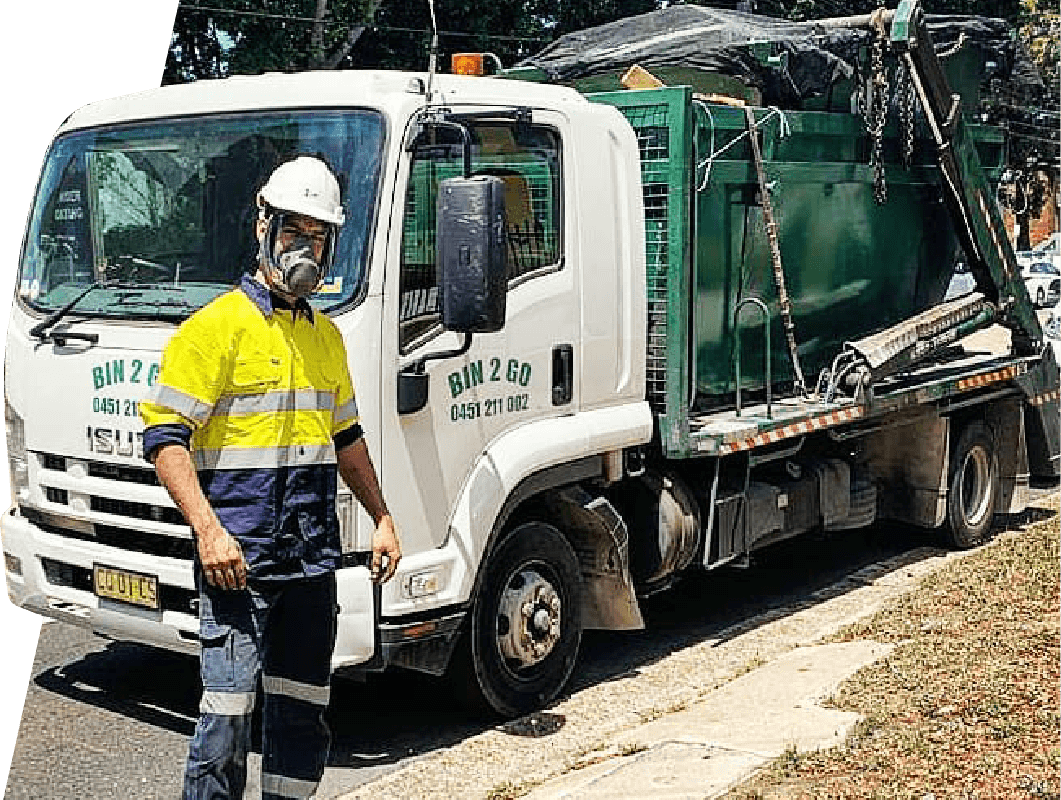




Skip bin hire is the fastest, most practical solution for a garage cleanout in Sydney, giving you a large, accessible container delivered to your driveway where you can toss everything at your own pace, without multiple trips to the tip or cramming rubbish into the family car. The right approach turns a weekend of overwhelm into a genuinely satisfying project.
But there's a bit more to it than just ordering a bin and throwing everything in. Knowing what can go in, what needs to go elsewhere, and what's actually worth keeping will save you money, keep you compliant with NSW waste regulations, and mean you only pay for the bin size you actually need. This guide covers the whole lot.
Before you order a bin or start throwing things out, spend an hour doing a visual survey of the garage. Walk through it with three zones in mind:
Things that are broken, rusted, worn out, genuinely past it, or that you simply haven't touched in more than three years. If you've moved house with it twice without ever using it, the garage cleanout is its moment of honest reckoning.
Working condition items that could benefit someone else, and possibly put some money back in your pocket. Gumtree, Facebook Marketplace, and local garage sales are perfect channels for tools, exercise equipment, outdoor furniture, kids' bikes, and sporting goods that still have life in them. Vinnies, the Salvos, and local charities accept many items that are in good working order.
Financial logic: Every item you sell or donate is an item that doesn't go in the skip. A smaller bin is a cheaper bin. The $150 you make selling old tools on Facebook Marketplace more than pays for part of your skip hire.
Things that can be useful for next month should go back into the garage in an organised way. Not back into the pile.
The things you can throw in without any special handling or alternative disposal requirements:
Sydney's online secondhand market is genuinely active. Items that regularly sell well from garage cleanouts include:
Vinnies, St Vincent de Paul, Lifeline, and the Salvation Army all accept working household goods and clothing. Most have drop-off locations across Sydney, and some offer collection services for larger items.
What charities typically accept: Working small appliances, clothing in good condition, books, kitchenware, home furnishings in good condition, children's toys and equipment.
What they typically don't accept: Items that don't work, anything damaged or unsafe, mattresses, large appliances.
Some things genuinely just need a new location, garden tools that belong in the shed rather than the garage, boxes of children's memorabilia that belong in the roof storage, sporting equipment that a family member will actually use this season. Moving things to a better home within the property isn't procrastination if it's genuinely intentional.
This is the most important section if you want to avoid additional charges, rejected loads, or NSW EPA compliance issues. They require specialist disposal to protect human health and the environment.
Motor oil, engine oil, hydraulic fluid: These must go to a registered motor oil recycling point. Most Repco, SuperCheap Auto, and some council transfer stations accept small quantities for free.
Petrol and other fuels: Highly flammable, not permitted in any skip bin under any circumstances.
Pesticides, herbicides, and fertilisers: Even empty containers are prohibited if they previously held these substances. Take to a HazWaste facility or council chemical collection event.
Paint: Water-based and oil-based paints must not go in skip bins. Paintback is the national program for recycling unwanted paint — drop-off points across Sydney.
Pool chemicals and cleaning chemicals: Take to a licensed hazardous waste facility.
Tyres are classified as problematic waste in NSW and are not permitted in skip bins. Most tyre retailers will accept old tyres for a small fee, and some council transfer stations accept them too.
Car batteries can be returned to most battery retailers, auto parts stores, and some council transfer stations free of charge. Household batteries (AA, AAA, 9V, etc.) go to battery collection points in many supermarkets, hardware stores, and post offices. Lithium batteries and power tool batteries require specialist e-waste drop-off.
Asbestos materials found in older fibro cladding, roof sheeting, floor tiles, and insulation in homes built before 1985 require specialist removal, packaging, and disposal by a licensed asbestos removalist. Asbestos absolutely cannot go into a skip bin.
LPG cylinders, camping gas canisters, and refrigerant cylinders must not go in skip bins. Many hardware stores and camping equipment retailers operate gas bottle swap or disposal programs. Empty cylinders can be returned to retailers or taken to appropriate council waste facilities.
Televisions, computer monitors, laptops, and other electronic devices require specialist e-waste disposal. Bin2Go can advise on whether specific items are accepted, and NSW council transfer stations typically have e-waste drop-off points. Many electronics retailers also offer take-back programs.
These contain refrigerant gases that must be recovered by a licensed technician before disposal. Most scrap metal dealers and white goods recyclers will collect these. Bin2Go may be able to advise on local options for your suburb.
Getting a skip bin delivered to your Sydney property through Bin2Go is genuinely simple:
Option 1 Call: Ring 0451 211 002, tell the team your suburb, the bin size you need (or ask for advice), and your preferred delivery date. Same-day delivery available.
Option 2 Book Online: Head to Bin2Go skip bin sizes, select your bin size, enter your details, and confirm.
What to have ready when you book:
Toss what's genuinely rubbish, sell or donate what still has value, and set aside prohibited items for proper disposal. With a skip bin hire from Bin2Go sitting in your driveway, a full garage cleanout becomes a genuinely achievable weekend project.
The bin arrives when you need it. It sits there while you work at your own pace. Bin2Go collects it when you're done. And the garage that's been a source of low-level stress for years is suddenly clean, organised, and maybe even functional again.