
0451 211 002
Book a bin
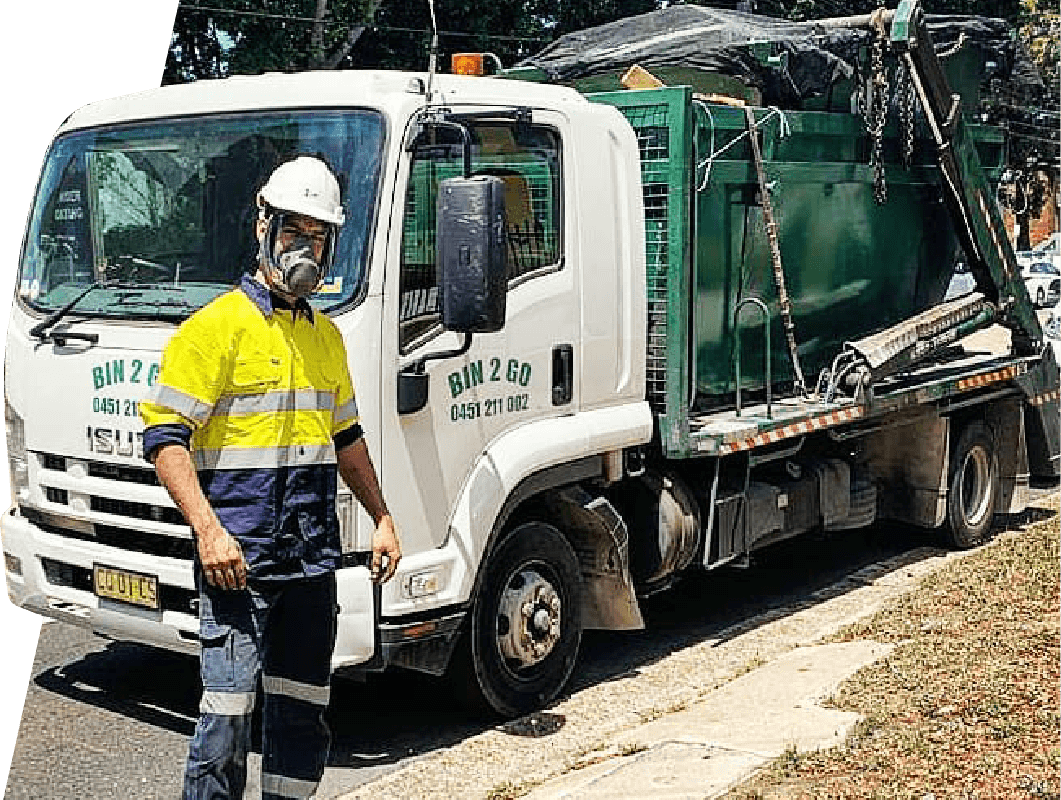




Recycling construction waste reduces landfill use, lowers disposal costs, and keeps building sites cleaner and safer. With the right system in place, most construction waste can be sorted and reused instead of thrown away.
Construction projects generate large volumes of waste fast. Timber offcuts, concrete, metal, cardboard, and packaging can quickly pile up if there’s no clear recycling plan from day one.
Construction waste recycling is the process of separating and recovering materials from building and renovation projects so they can be reused or processed instead of sent to landfill. This approach turns waste into a resource while keeping sites organised and compliant.
Rather than dumping everything into one bin, recyclable materials are separated into dedicated skip bins. This makes disposal more efficient and significantly reduces environmental impact.
Many materials found on construction sites are recyclable when handled correctly.
Concrete and bricks can be crushed and reused for road base or fill. Timber can be recycled or repurposed depending on condition. Metals such as steel and aluminium are highly recyclable and valuable. Cardboard and packaging from deliveries are easy to recycle when kept clean. Green waste from site clearing can also be diverted from landfill.
The key is keeping materials separated and free from contamination.
Recycling construction waste isn’t just about sustainability. It also makes practical sense for builders and contractors.
Sorted waste often costs less to dispose of than mixed waste. Sites stay cleaner and safer with less clutter. Recycling also helps meet council regulations and environmental requirements, which is especially important for larger projects.
Clients are increasingly aware of sustainability practices, and responsible waste management reflects positively on your business.
Skip bins play a major role in recycling construction waste. Using multiple bins allows materials to be separated at the source, which is far more effective than sorting later.
Dedicated bins for concrete, timber, metals, and general waste reduce contamination and improve recycling rates. Clear signage and consistent placement make it easier for workers to dispose of materials correctly throughout the project.
Choosing the right bin sizes and scheduling regular collections helps prevent overflow and keeps the site running smoothly.
Start planning waste management before the project begins. Identify what materials will be generated and arrange bins accordingly. Place bins close to work areas to encourage proper use. Educate workers on what goes into each bin to avoid contamination.
Regularly monitor bin usage and adjust sizes or collection frequency as needed. Small changes early can prevent costly disposal issues later.
Choose Bin2Go for recycling construction waste. With flexible skip bin options and a strong focus on responsible disposal, Bin2Go makes it easier to recycle materials efficiently and keep your construction site compliant, clean, and cost-effective.